Why Families Trust a General Dentist in Aurora for Everyday Dental Care
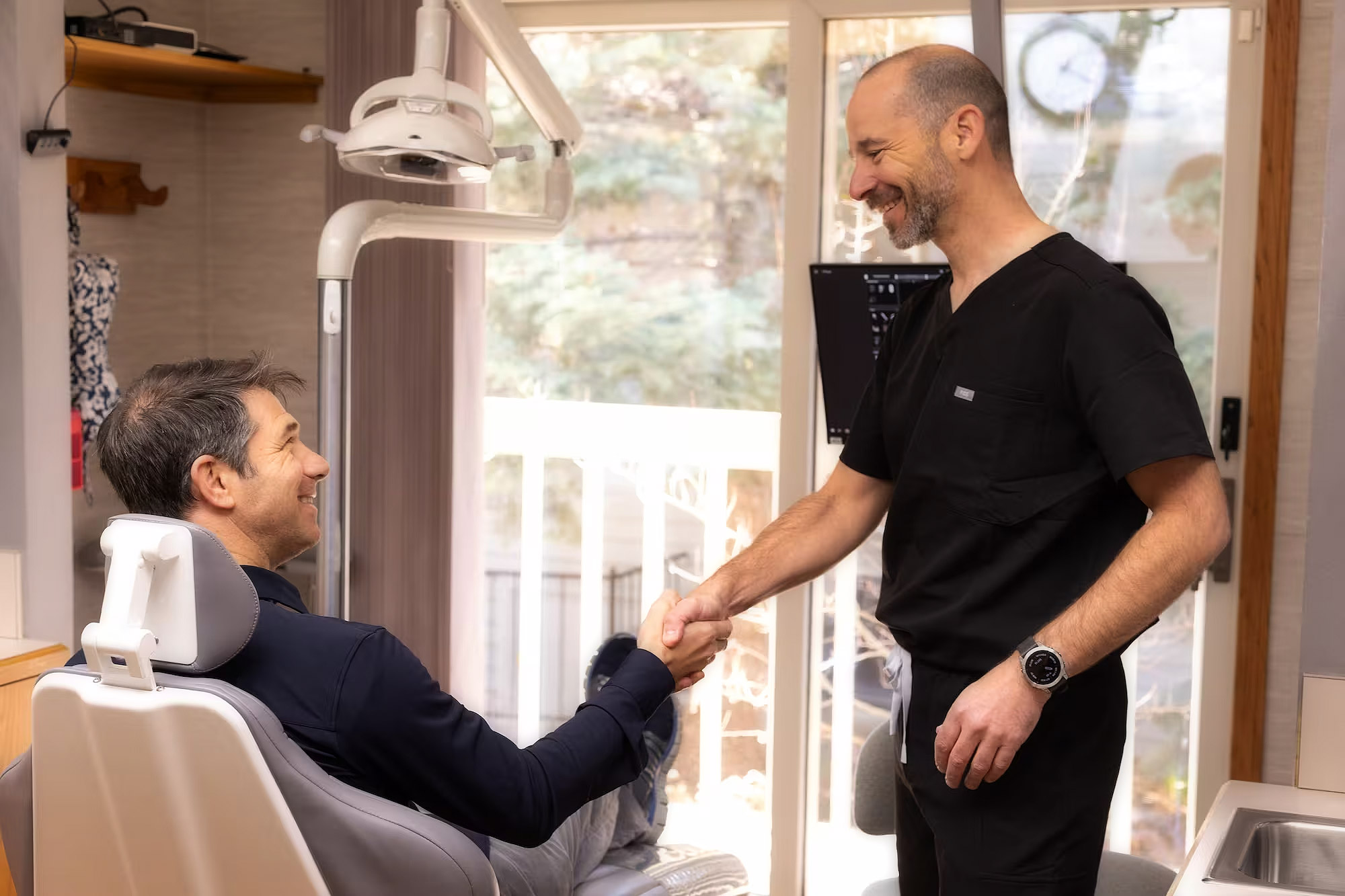

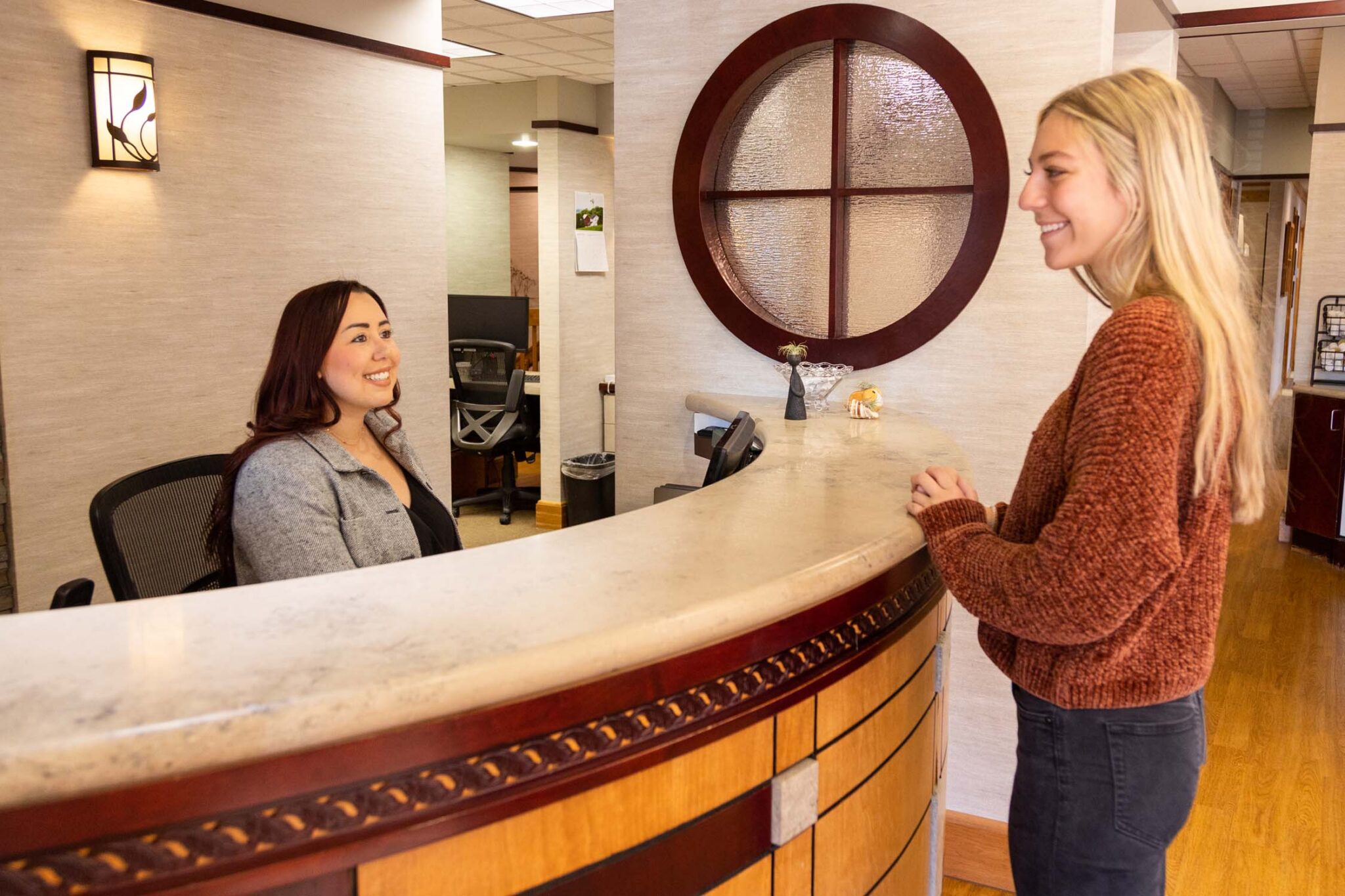
Families rarely choose a dental office for one reason alone. Trust builds gradually, often through a mix of practical concerns and small reassuring experiences. It starts with convenience, of course. Parents want appointments that fit school schedules, work hours, sports practices, and the ordinary disruptions of family life. But convenience by itself does not keep people coming back year after year. What keeps a family loyal to a dental practice is the sense that they are known, understood, and cared for with consistency.
That is why so many households look for a General Dentist Aurora residents can rely on for routine care, prevention, and sound guidance over time. Everyday dental care may not sound dramatic, yet it shapes health in quiet ways. A child who learns not to fear cleanings, a parent who catches a cracked filling before it turns into a root canal, a grandparent who gets help managing dry mouth and gum recession, these are the steady wins that matter in real life.
General dentistry sits at the center of that experience. It is the part of oral healthcare most people use most often, and for families, it often becomes one of the longest professional relationships they maintain. People may change hairstylists, switch gyms, or move pharmacies, but they tend to stay with a dentist who communicates well, treats them honestly, and helps them avoid bigger problems.
Everyday care is where confidence is built
Many people associate dentistry with procedures, but most trust is built during ordinary visits. A six month exam, a hygiene appointment, a quick X ray review, a discussion about sensitivity when drinking cold water, these moments tell patients what kind of practice they are dealing with.
Families notice when the office runs on time more often than not. They notice when the front desk remembers a child gets nervous and schedules a little extra time. They notice when the dentist explains what is happening in plain language instead of rushing through a recommendation. These details are not cosmetic. They affect whether people follow through with care.
In everyday practice, the strongest dentists do not overcomplicate simple issues, and they do not minimize concerns that deserve attention. That balance matters. A white spot on a child’s molar might only require monitoring and fluoride support. A similar looking area in another patient might need a small filling because the cavity risk is different, the bite is different, or the lesion has changed since the last visit. Good judgment is not about doing more treatment. It is about knowing when to watch, when to act, and how to explain the trade-off.
Families feel safer with a provider who General Dentist Aurora can make those calls carefully.
One office, many stages of life
A household’s dental needs can change dramatically over the years, sometimes within a single family. Young children may need sealants, cavity prevention, and a gentle first introduction to cleanings. Teenagers might come in with sports related dental injuries, orthodontic concerns, or stubborn plaque buildup around permanent molars. Adults often need maintenance of old dental work, gum care, night guard discussions, or replacement of a worn crown. Older adults may be managing medications that affect the mouth, changes in dexterity that make brushing harder, or bite problems linked to missing teeth.
A trusted general dentist can coordinate care across all those stages. That continuity is a major reason families stay put. When the same practice has watched a child’s oral development from primary teeth into adolescence, patterns become easier to spot. The office has radiographs to compare over time, notes on habits like grinding or mouth breathing, and a practical understanding of how that patient responds to treatment.
The same holds true for adults. If a dentist has maintained someone’s fillings for ten years, they have a better sense of which restorations are stable, which are at risk, and which symptoms are worth acting on quickly. Dentistry is not just about what is visible on one day. It is about change over time. Long term relationships improve that perspective.
This continuity also reduces the friction families feel when they need care. They are not starting over with paperwork, repeating medical history from scratch, or trying to explain old dental experiences to a new office. Familiarity saves time, but it also lowers stress.
Prevention feels simple, but it takes discipline and skill
Preventive dentistry often gets framed as common sense, brush, floss, come in regularly. That advice is sound, but the execution is more nuanced than people think. A family that “does all the right things” can still run into trouble if one child has deep grooves in the molars, if a parent drinks acidic beverages all day, or if someone clenches at night without realizing it.
That is where a good general dentist earns trust. Preventive care is not generic. It should be tailored to the person in the chair.
For one patient, prevention may mean closer gum monitoring because early periodontal changes have started. For another, it may mean more frequent cleanings because plaque hardens quickly. For a child with a history of decay, prevention might include diet counseling that goes beyond obvious sugar warnings. Sticky snacks, constant sipping from sports drinks, and frequent grazing can all keep the mouth acidic for hours. Even families who are health conscious can miss that connection.
A dentist who practices strong prevention does more than clean teeth and send patients home with a free toothbrush. They track patterns, identify risks, and intervene before the damage becomes expensive or painful. That kind of vigilance is one of the clearest reasons families stay loyal.
Parents value clear communication more than perfect terminology
Most families do not expect a lecture in dental anatomy. They want clarity. They want to know what the issue is, whether it is urgent, what happens if they wait, and what the likely cost and recovery look like. A practice that communicates this well reduces anxiety immediately.
This is especially true when treating children. If a seven year old needs a small filling, the parent needs confidence in both the treatment plan and the way it will be handled. The dentist should be able to explain why the cavity formed, how large it is, whether local anesthetic is needed, and how the child is likely to tolerate the visit. Reassurance should feel specific, not canned.
Adults need the same directness. If a cracked tooth could be managed with a filling for now but may eventually require a crown, say that plainly. If gum inflammation is reversible with better home care and a deeper cleaning protocol, explain what improvement should look like and how soon. If a cosmetic concern is elective rather than necessary, patients appreciate hearing that too.
Trust tends to grow when recommendations feel measured. Families are wary of extremes. They do not want problems ignored, and they do not want every stain, shadow, or old filling treated like an emergency. Balanced communication signals professional maturity.
The best family dental relationships are built on consistency
People often talk about a dentist’s chairside manner, but consistency matters just as much as warmth. Families want to know what kind of experience they will have every time they walk through the door. The office should be orderly, the records should be accurate, follow up should happen when promised, and treatment plans should not seem to change without explanation.
Consistency also applies to clinical standards. If a child had bitewing X rays last year and the dentist recommends waiting this year based on low cavity risk, that should be grounded in a clear rationale. If an adult has recurring sensitivity around an old restoration, the office should compare images, assess the bite, test the tooth carefully, and describe why the recommendation makes sense. Patients may not know every technical detail, but they can tell when care feels thoughtful rather than improvised.
In a well run general practice, routine visits become predictably reassuring. The patient is greeted, updated records are reviewed, the cleaning is performed carefully, findings are discussed, and next steps are explained. That rhythm may sound ordinary, but ordinary done well creates remarkable loyalty.
Why location matters, but not in the obvious way
Convenience often gets dismissed as a shallow factor, yet for families it is deeply practical. A nearby office makes it easier to keep preventive appointments, respond to urgent problems, and coordinate multiple family schedules. When care is easy to access, people are more likely to maintain it.
For residents looking for a General Dentist Aurora offers a particular advantage: the ability to choose local care that fits the pace of daily life. School drop offs, work commutes, after school activities, and winter weather all affect whether appointments happen on time. A practice that is close to home, easy to reach, and capable of seeing several family members in a coordinated way can remove a surprising amount of friction.
But location alone is not enough. Families stay because the local office becomes familiar ground. Children learn the route. Parents know where to park. Staff members recognize names and histories. That familiarity helps people seek care sooner, especially when something feels off. It is easier to call a trusted nearby office for a sudden toothache than to delay because the process feels inconvenient or impersonal.
When minor concerns are handled early, families save money and stress
A great deal of dental expense comes from delay. Small cavities become larger restorations. Mild gingivitis becomes deeper periodontal treatment. A fractured filling turns into a crown when enough structure is lost. Many patients do not delay because they are careless. They delay because the problem seems manageable, the symptoms come and go, or the logistics of making an appointment feel difficult.
General dentists help break that cycle. By seeing patients regularly and paying attention to early signs, they can often recommend simpler, less invasive treatment. This is one of the quiet economic benefits of ongoing family dental care. It is not just about avoiding pain. It is about preserving options.
A patient with a tiny area of recurrent decay around an old filling may need a straightforward repair now. Wait another year, and the decay may reach a point where the remaining tooth needs full coverage. The cost, time, and complexity all change. The same pattern shows up in gum disease. Mild bleeding with brushing can often improve with targeted cleanings and better home habits. Ignore it for too long, and bone loss may follow.
Families who have lived through one or two preventable dental emergencies tend to appreciate this lesson quickly. They learn that routine dentistry is not extra. It is maintenance, much like changing the oil in a car or patching a roof before a leak spreads through the attic.
Children learn their dental habits from the emotional tone of the office
One overlooked reason families trust a dental practice is the impact it has on children’s long term attitudes. Kids remember far more than the procedure itself. They remember whether the adults around them stayed calm, whether the staff explained things respectfully, and whether discomfort was handled honestly.
A child does not need every appointment to be fun. That is not realistic. But they do need predictability and respect. They need to know what is happening and to feel that their reactions are being noticed. In my experience, the most effective dental teams with children avoid two mistakes. They do not overwhelm the child with too much language, and they do not make promises they cannot keep. Saying “this won’t hurt at all” when something may pinch briefly is a fast way to lose trust. Saying “you may feel pressure, and if you need a break, raise your hand” is far better.
When children grow up in a practice that handles care this way, routine dentistry becomes normal. That can influence behavior for decades. Adults who had steady, low drama dental care as children are often much easier to treat later because they seek help earlier and expect maintenance to be part of life.
A general dentist often becomes the coordinator, not just the provider
Even in families with fairly routine needs, there are times when specialized care enters the picture. A child may need orthodontic evaluation. An adult may need oral surgery for a difficult extraction. Someone may develop temporomandibular symptoms, advanced gum disease, or a complex implant question.
In those cases, the role of the general dentist becomes even more important. A trusted family dentist helps determine whether referral is needed, to whom, and how urgent the issue is. That guidance matters because patients are often unsure whether a problem is routine or specialized. They may search online, find alarming information, and assume the worst.
A good general dentist filters that uncertainty. They know the patient’s history, they understand the baseline condition of the mouth, and they can frame the next step with proportion. If referral is needed, families benefit from coordinated records, clear summaries, and a plan for what happens after specialist care is completed.
This coordination is one of the strongest practical reasons to maintain a relationship with a general practice. Oral healthcare can get fragmented quickly without a central provider keeping the big picture in view.
What families tend to notice in a trustworthy practice
Trust does not come from branding language. It comes from repeated proof. Families usually mention the same qualities when describing a dental office they genuinely value:
- Recommendations feel sensible, not rushed or sales driven.
- Staff members explain costs and scheduling clearly.
- The dentist remembers prior concerns and follows up on them.
- Children and anxious adults are treated with patience.
- Routine visits feel thorough, efficient, and respectful of time.
None of these qualities are flashy. That is part of the point. Reliability tends to matter more than spectacle in healthcare.
The Aurora factor, community care still matters
There is something distinct about healthcare that remains rooted in a community. In places like Aurora, families often value local relationships more than outsiders realize. They prefer care where they are not just another file, where the office understands neighborhood rhythms, school calendars, and the practical realities of local life.
That local connection can shape how dentistry is delivered. Appointment blocks may be designed around family scheduling. Emergency visits may be handled with flexibility because the team understands what it means when a parent says they are trying to make it between pickup and hockey practice. Staff may know that winter road conditions affect punctuality for early morning appointments. These details sound small, but they reflect a practice built around actual patients rather than abstract systems.
A General Dentist Aurora families return to year after year is often one who has integrated clinical quality with this kind of local responsiveness. Patients can feel the difference. The office runs like a business, certainly, but it also feels like a place where people know how family life really works.
Everyday dentistry asks for judgment, not just technical ability
Technical skill is essential, but it is only part of what families are trusting. They are also trusting judgment. Should a baby tooth be restored or monitored because it will exfoliate soon? Is that mild wear pattern from normal function, early grinding, or an unstable bite? Does a patient with sporadic sensitivity need treatment now, or careful observation and habit changes first?
These are not one size fits all decisions. They require context, restraint, and experience. The best general dentists know that every intervention carries a cost, whether financial, biological, or emotional. Drilling a tooth, replacing a restoration, prescribing a night guard, recommending fluoride, or adjusting recall frequency should all be tied to the specific patient rather than a blanket protocol.
Families may not use the word judgment, but they recognize it when they see it. They call it common sense. They call it honesty. They call it feeling comfortable with a dentist. Underneath those impressions is the same idea: this provider knows when to act and when not to.
Why routine care becomes a long term relationship
At its best, family dentistry is not episodic. It is relational. The office sees a child lose baby teeth and later return from college for cleanings. It watches parents cycle through stressful seasons when home care slips, then helps them get back on track without shame. It supports older adults dealing with dry mouth, medication changes, crowns that have aged, and gums that need more attention than they used to.
That kind of care cannot be reduced to procedures alone. It depends on memory, continuity, and mutual confidence. Patients trust what they have experienced repeatedly. They trust the office that caught a problem early. They trust the dentist who said a tooth could wait and turned out to be right. They trust the hygienist who noticed bleeding had improved because the home routine actually changed. They trust the team that made room when a child chipped a front tooth two days before school photos.
For most families, that is what everyday dental care is supposed to feel like. Not dramatic. Not confusing. Not transactional. Just steady, competent care delivered by people who know them, communicate honestly, and help them protect their health over time.
That is why families place so much value on a dependable general dentist, and why, once they find the right fit, they tend to stay.
Aspenwood Dental Associates and Colorado Dental Implant Center
Address: 2900 S Peoria St Ste C, Aurora, CO 80014
Phone number: +13037314037
FAQ About General Dentist Aurora
What is meant by general dentistry?
General dentistry refers to the primary, foundational tier of oral healthcare, focused on the prevention, diagnosis, and treatment of conditions affecting the teeth, gums, and jaw. General dentists serve as a patient's main, long-term dental care provider—much like a primary care physician.
What is general dentistry and orthodontics?
General dentistry and orthodontics are two specialized branches of dental care. General dentistry serves as your primary care for overall oral health, focusing on routine cleanings, fillings, and disease prevention. Orthodontics is a specialized field focused entirely on diagnosing and correcting misaligned teeth and jaw structures using braces or clear aligners.
What are type 3 dental services?
Type 3 dental services typically include major restorative treatments that repair or replace damaged or missing teeth. These services are more complex and costly than preventive or basic dental care. Common examples of type 3 dental services include: Dental crowns.